How Artificial Intelligence is Powering the Future of Work
Artificial Intelligence (AI) is no longer a distant concept or a sci-fi fantasy—it’s a powerful, transformative force reshaping how we work, communicate, and collaborate. Across industries and sectors, AI is unlocking new levels of productivity, creating smarter workflows, and enabling businesses to reimagine how work gets done. As we move further into the digital age, AI’s role in powering the future of work is not just promising—it’s inevitable.
The Evolution of Work in the Age of AI
The workplace has undergone significant shifts in recent years, particularly with the rise of remote and hybrid work, digital collaboration tools, and the increasing need for real-time decision-making. AI sits at the heart of these changes, serving as both a catalyst and enabler. From automating routine tasks to providing strategic insights, AI empowers workers and organizations to be more agile, efficient, and innovative.
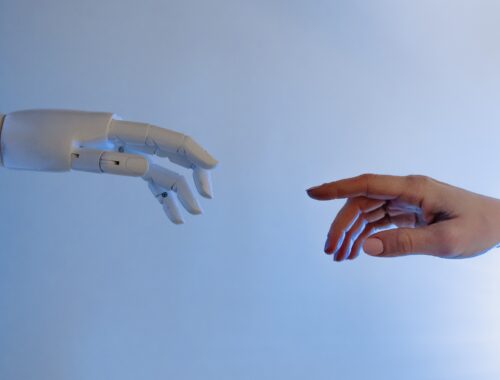
This transformation isn’t about machines replacing humans—it’s about machines augmenting human potential. AI complements human skills, allowing people to focus on creative, interpersonal, and high-impact work while machines handle repetitive or data-intensive tasks.
Automation and Task Optimization
One of the most well-known applications of AI in the workplace is automation. Repetitive and rule-based tasks such as data entry, scheduling, and document processing can be handled with precision and speed by AI-powered systems. Robotic Process Automation (RPA), a subset of AI, has become a go-to solution for businesses looking to cut costs and increase operational efficiency.
For example, AI bots can process invoices, manage payroll, and even handle customer service inquiries using natural language processing. This not only reduces human error but also frees employees from mundane tasks so they can concentrate on strategic and value-adding work.
AI-Powered Decision Making
AI doesn’t just automate—it enhances decision-making. By analyzing massive amounts of data in real time, AI systems can provide insights that humans alone would struggle to uncover. Predictive analytics, for example, can help companies forecast market trends, identify potential risks, and understand consumer behavior with greater accuracy.
In HR, AI is revolutionizing talent acquisition and workforce planning. AI-driven platforms can analyze candidate data, match skill sets to job requirements, and even predict employee retention. Managers can make more informed hiring and promotion decisions, while employees can receive personalized development recommendations based on performance data and skill gaps.
Personalized Learning and Upskilling
As the workplace evolves, continuous learning is more important than ever. AI is playing a key role in upskilling and reskilling initiatives by delivering personalized learning experiences tailored to individual needs. AI-powered learning management systems (LMS) can recommend training modules based on an employee’s role, goals, and performance metrics.
These systems can also adapt in real time, providing feedback and adjusting content delivery to improve retention and engagement. With AI, learning becomes a dynamic, ongoing process—empowering employees to grow with the company and stay relevant in a fast-changing landscape.
Enhancing Collaboration and Communication
AI is also transforming how teams collaborate. Intelligent tools such as chatbots, voice assistants, and smart scheduling systems streamline communication and reduce friction in workflows. Virtual meeting platforms are now equipped with AI features like real-time transcription, language translation, and meeting summarization.
Moreover, AI can help identify communication patterns and recommend ways to improve team dynamics, flagging potential bottlenecks or conflicts before they escalate. These capabilities are particularly useful in hybrid or remote environments, where maintaining effective communication is essential.
Human-AI Collaboration: The Rise of “Cobot” Culture
Rather than replacing jobs, AI is giving rise to a new culture of collaboration between humans and intelligent systems. “Cobots” (collaborative robots) work alongside human employees, especially in manufacturing, logistics, and healthcare. These robots handle physically demanding or hazardous tasks while humans manage supervision and complex problem-solving.
In knowledge-based industries, AI tools function like digital assistants—sifting through data, managing schedules, or drafting reports—enabling knowledge workers to focus on innovation, client relationships, and strategic thinking. This collaborative model enhances productivity and job satisfaction by removing friction and increasing efficiency.
Ethical and Workforce Considerations
As AI becomes more embedded in the workplace, it raises important questions about ethics, transparency, and fairness. How do we ensure AI systems make unbiased decisions? How do we maintain accountability when tasks are automated? How do we manage job displacement and worker transitions?
Businesses must be proactive in developing responsible AI frameworks that prioritize transparency, data privacy, and inclusivity. Equally important is supporting employees through change—offering training, open communication, and opportunities to evolve alongside technology.
The conversation around AI and the future of work should not just be about efficiency; it must also address the human side of transformation. Leaders have a critical role to play in ensuring that AI adoption aligns with organizational values and promotes long-term growth for both the business and its people.
The Future Workforce: Skills That Will Thrive
As AI takes over more routine tasks, the skills most valued in the future workplace will revolve around creativity, critical thinking, emotional intelligence, and adaptability. Jobs that require empathy, leadership, and human judgment will be in high demand.
Meanwhile, technical skills like data literacy, programming, and systems thinking will become foundational across roles—not just in IT. Companies will need to foster a culture of lifelong learning and invest in tools and platforms that enable continuous skill development.
A New Era of Possibility
AI is not a threat to the workforce—it’s a powerful tool that can unlock human potential in unprecedented ways. From smarter decision-making and personalized learning to streamlined operations and enhanced collaboration, AI is shaping a future of work that is more efficient, more creative, and more inclusive.
However, to truly harness the power of AI, organizations must commit to ethical practices, responsible deployment, and employee empowerment. By embracing AI as a partner rather than a replacement, we can build workplaces that are not only more intelligent but also more human.
The future of work is not about man versus machine—it’s about working smarter, together.
Generated by ChatGPT