Digital Payments
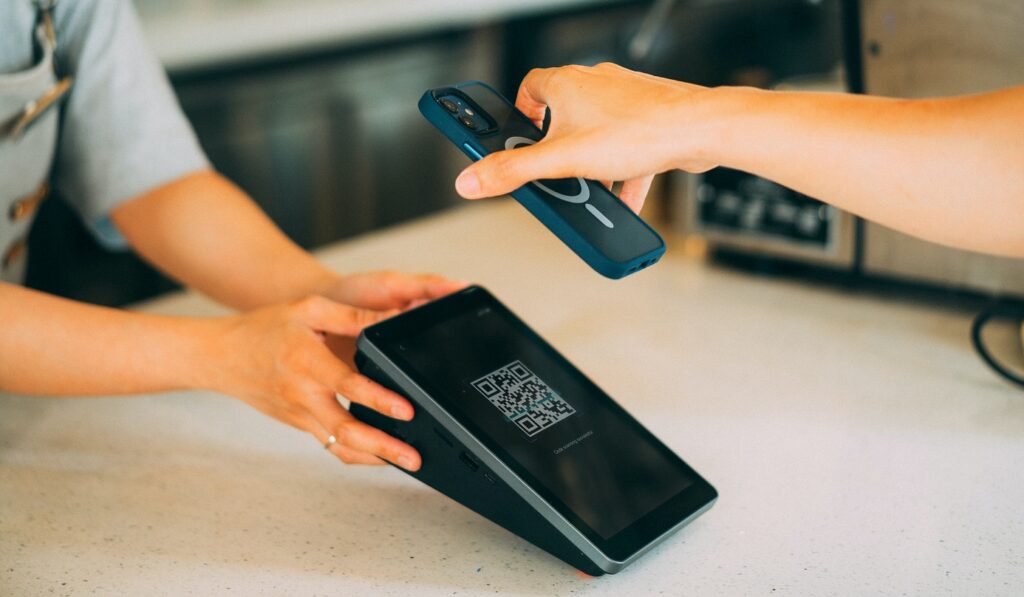
Digital Payments Revolution: Emerging Trends in the Future of Online Transactions
Digital payments have revolutionized the way we conduct transactions, making it faster and more convenient to pay for goods and services online. In recent years, there has been a significant increase in the adoption of digital payments, driven by advances in technology and changes in consumer behavior. We will explore the emerging trends in the digital payments industry and their implications for the future of online transactions.
Contactless Payments
Contactless payments have become increasingly popular in recent years, and this trend has been accelerated by the COVID-19 pandemic. Contactless payments allow customers to make purchases without touching a physical card reader or exchanging cash, reducing the risk of transmission of infectious diseases. According to a study by Juniper Research, the number of contactless payments is expected to triple to $6 trillion globally by 2024.
Mobile Payments
Mobile payments have also seen significant growth in recent years, driven by the increasing use of smartphones and the rise of mobile apps. Mobile payments allow customers to make payments using their mobile devices, eliminating the need for physical credit cards or cash. According to a report by Zion Market Research, the global mobile payments market is expected to reach $5.5 trillion by 2022.
Cryptocurrencies
Cryptocurrencies, such as Bitcoin and Ethereum, have been around for over a decade, but they are now gaining wider acceptance as a means of payment. Cryptocurrencies offer several advantages over traditional payment methods, such as lower transaction fees and faster processing times. However, the value of cryptocurrencies can be highly volatile, making them a risky investment. As such, their use as a means of payment is still limited.
Biometric Payments
Biometric payments use biometric data, such as fingerprints or facial recognition, to authorize payments. This technology is becoming increasingly common in mobile devices, such as smartphones and tablets. Biometric payments offer several advantages over traditional payment methods, such as increased security and convenience. According to a report by Goode Intelligence, the biometric payment market is expected to reach $2.5 billion by 2024.
Voice-Activated Payments
Voice-activated payments use voice recognition technology to authorize payments. This technology is becoming increasingly common in smart speakers, such as Amazon Echo and Google Home. Voice-activated payments offer several advantages over traditional payment methods, such as increased convenience and accessibility. According to a report by Juniper Research, the value of voice-activated payments is expected to reach $5 billion by 2023.
Implications for the Digital Payments Industry
The emerging trends in the digital payments industry have significant implications for the future of online transactions. These trends reflect a growing demand for faster, more convenient, and more secure payment methods.
As a result, businesses that embrace these trends are likely to be more successful in the long run. By offering digital payment options that are tailored to each individual customer’s preferences and needs, these businesses can differentiate themselves from competitors and provide a higher level of customer service.
In addition, the rise of these trends is likely to lead to increased collaboration between financial institutions, technology companies, and other stakeholders in the digital payments industry. As the demand for digital payments continues to grow, these stakeholders will be motivated to work together to develop new technologies and services that can meet this demand.
Finally, the emergence of these trends is likely to lead to increased investment in research and development of new payment technologies and services. As businesses and consumers become more comfortable with digital payments, there will be increasing pressure to develop new technologies and services that can provide even faster, more convenient, and more secure payment options.
The digital payments revolution is an exciting development in the world of finance and commerce. As digital payments continue to grow in popularity, businesses that embrace these trends will be better positioned to succeed in the long run. Moreover, the widespread adoption of digital payments is likely to lead to important advances in technology and new services that can benefit us all. However, it is important to note that as with any technology, there are risks and challenges associated with digital payments, such as the potential for fraud and security breaches.
As such, it is important for businesses and consumers to be aware of these risks and take appropriate measures to mitigate them. This includes using secure payment methods, such as those that use encryption or two-factor authentication, and keeping personal information confidential.
Overall, the digital payments revolution is a positive development that has the potential to make our lives easier and more convenient. By embracing these emerging trends and investing in new technologies and services, the digital payments industry can continue to innovate and provide new and exciting ways to conduct transactions online.